Main types of packaging for grocery products

- Why packaging quality is a matter of business survival
- Overview of materials: BOPP, CPP and polyethylene
- Bags: market favourites
- A bespoke approach: selecting the right film for the product
- Table: Recommended packaging structures
- Boxes and containers: when a bag needs a bit of extra support
- Conclusion
- Recommended Articles
Groceries form the backbone of any food shop. Whilst this may not be the most profitable product category for retailers, it is cereals, pasta, sugar, spices and similar items that make up the core of the shopping basket; consequently, shoppers will go where they can find and buy all these items. For manufacturers, however, dry goods represent a highly competitive category with specific storage requirements. Packaging therefore plays a crucial role in this sector: it must not only protect the product from moisture and dust, but also withstand the rigours of logistics whilst delivering economic benefits.
Today, the production of packaging for dry goods involves a complex choice between different polymers, film thicknesses and ways of combining them. Let’s discuss these nuances so that you have the broadest possible understanding of the features and benefits of this type of packaging.
Why packaging quality is a matter of business survival
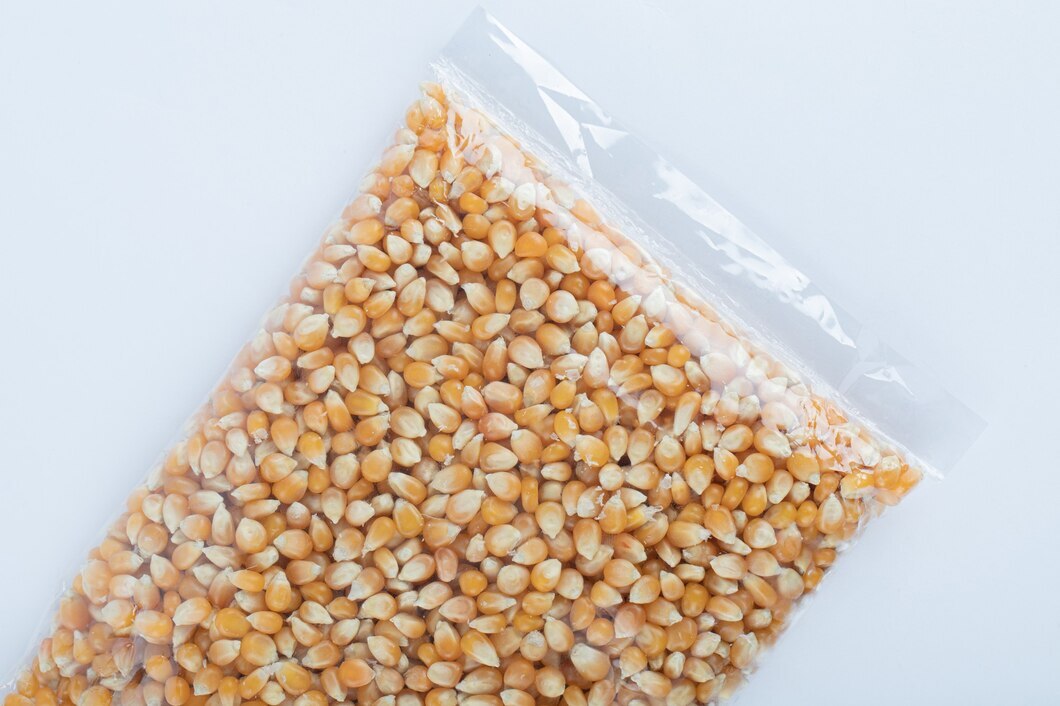
The primary function of packaging in the grocery sector is protection. Most dry goods are hygroscopic (easily absorb moisture) and sensitive to external odours. If the film is chosen incorrectly, the grains may become damp or take on a plastic smell, leading to the spoilage of the entire batch.
Furthermore, packaging is the ‘face’ of the brand. In a supermarket environment, a product has just a few seconds to grab attention. Using high-quality films, such as BOPP, ensures crystal-clear transparency and shine, making the product stand out from the competition.
Overview of materials: BOPP, CPP and polyethylene
Three types of polymeric materials dominate the modern grocery market, each with unique properties:
- BOPP film (BOPP). Biaxially oriented polypropylene. It has a mirror-like gloss, high tensile strength and excellent transparency. Ideal for vibrant printing.
- CPP film (Cast Polypropylene). Unlike BOPP, it is more elastic and has excellent heat-sealing properties. It is often used as the inner layer in multi-layer structures to ensure a sealed joint.
The most effective combination of these materials — for example, rigid BOPP for aesthetics and elastic CPP for a secure seal — allows for the creation of packaging that both ‘sells’ the product through its appearance and ensures it does not spill on the way from the warehouse to the customer’s shopping basket.
Bags: market favourites
Bags are the most popular format. They allow for the efficient organisation of the filling process and product portioning, whilst simple sealing enables rapid production. Advantages of bags:
- Lightweight: the minimal weight of the packaging reduces logistics costs.
- Branding: the ability to apply brand and product information to the surface of the bag.
- Cost-effectiveness: the production of flexible bags requires fewer raw materials than the manufacture of rigid containers.
For those just launching a product or working with exclusive batches, ready-made solutions are available: bags with a glue flap, Euro-hangers or a stand-up bottom (doy-packs). Today, some large retail chains are setting up production lines for in-house grocery packaging to reduce retail costs, so competition in this segment is extremely fierce and it will be extremely difficult to withstand it without reliable packaging.
A bespoke approach: selecting the right film for the product
There is no ‘one-size-fits-all’ film. Each type of dry goods has its own requirements:
1. Pasta.
Pasta has sharp edges. Standard thin film can tear from the inside during transport. If a tear occurs, it is important that the material prevents further tearing (‘ripping’). The standard is 40 µm thick BOPP or a combination of 20 µm BOPP + 20 µm BOPP.
2. Bulk products (semolina, flour).
During the packaging of semolina or flour, fine dust forms, which settles on the edges of the bag in the sealing area, preventing a high-quality seal. To prevent the seal from ‘slipping’, a BOPP + SRR combination is used. The elastic SRR layer literally ‘absorbs’ the dust particles, ensuring a completely airtight seal.
3. Grains (buckwheat, rice, millet, etc.).
Buckwheat and rice are not particularly demanding products. An economical option is often used for them: transparent BOPP film from 30 µm. This is sufficient to deliver the product to the customer whilst maintaining its attractive appearance. The same applies to other ‘basic’ grains, although it all depends on their structure. For example, the sealing technology may differ for cracked grains.
4. Sugar and salt.
These products are heavy and hygroscopic. For small-scale sugar packaging, 40-micron BOPP is used, whilst for multi-component mixtures (such as sugar substitutes or flavoured spices), three-layer metallised structures are employed: PET + metallised BOPP + PE. This creates a ‘thermos effect’, protecting the contents from moisture and light.
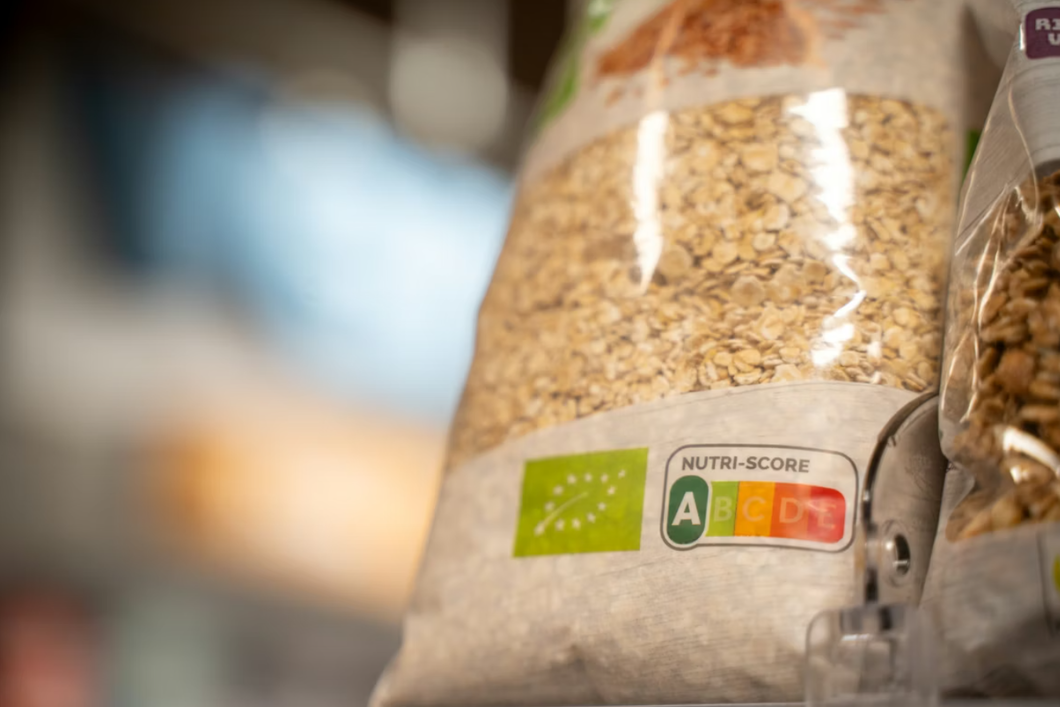
Table: Recommended packaging structures
| Product | Recommended structure / Thickness | Properties |
| Pasta, rice, buckwheat, lentils, pearl barley, chickpeas, beans, peas, large seeds | 40 µm BOPP / 20 µm BOPP + 25/30 µm SRR | Hardness, shine, durability |
| Semolina, couscous, bulgur, wheat, rye and corn groats, spices, icing sugar, starch, bicarbonate of soda | BOPP 20 + SRR 20 | A secure joint during sawing |
| Sugar, salt, citric acid, granulated products | BOPP 40 / PET 12 + BOPP metallised + PE | Resistance to moisture and heavy loads |
| Nuts, dried fruit, chia seeds, sesame seeds, candied fruit, small seeds | BOPP 20 + BOPP 20 / PET + BOPP per metre | Preserving the oils and aroma |
Boxes and containers: when a bag needs a bit of extra support
As well as films, other types of packaging are widely used in the grocery sector. For example:
- Cardboard boxes. These are most commonly used as secondary packaging for premium cereals in cook-in pouches or for flaked cereals. The box protects the product from being squashed and provides more space for marketing information.
- Plastic containers. These are used for premium groceries (honey, chia seeds, dessert mixes). They are convenient as they can be opened and closed repeatedly.
However, in terms of overall cost and logistical convenience, flexible polypropylene bags remain unrivalled for the mass market.
When ordering packaging, it is important to consider the volumes. Professional manufacturers offer flexible terms for both small businesses and large orders, including packaging options for branded products. Choosing the correct roll width (usually 300–400 mm for cereals) and thickness (30–50 µm) helps minimise material waste during packaging.
Conclusion
High-quality packaging for dry goods strikes a balance between product protection and the company’s budget. Investing in the right packaging pays off by eliminating returns due to torn packets. Ultimately, it is the transparency, durability and convenience of the packaging that build the customer’s trust in the brand, encouraging them to return for your product time and time again.