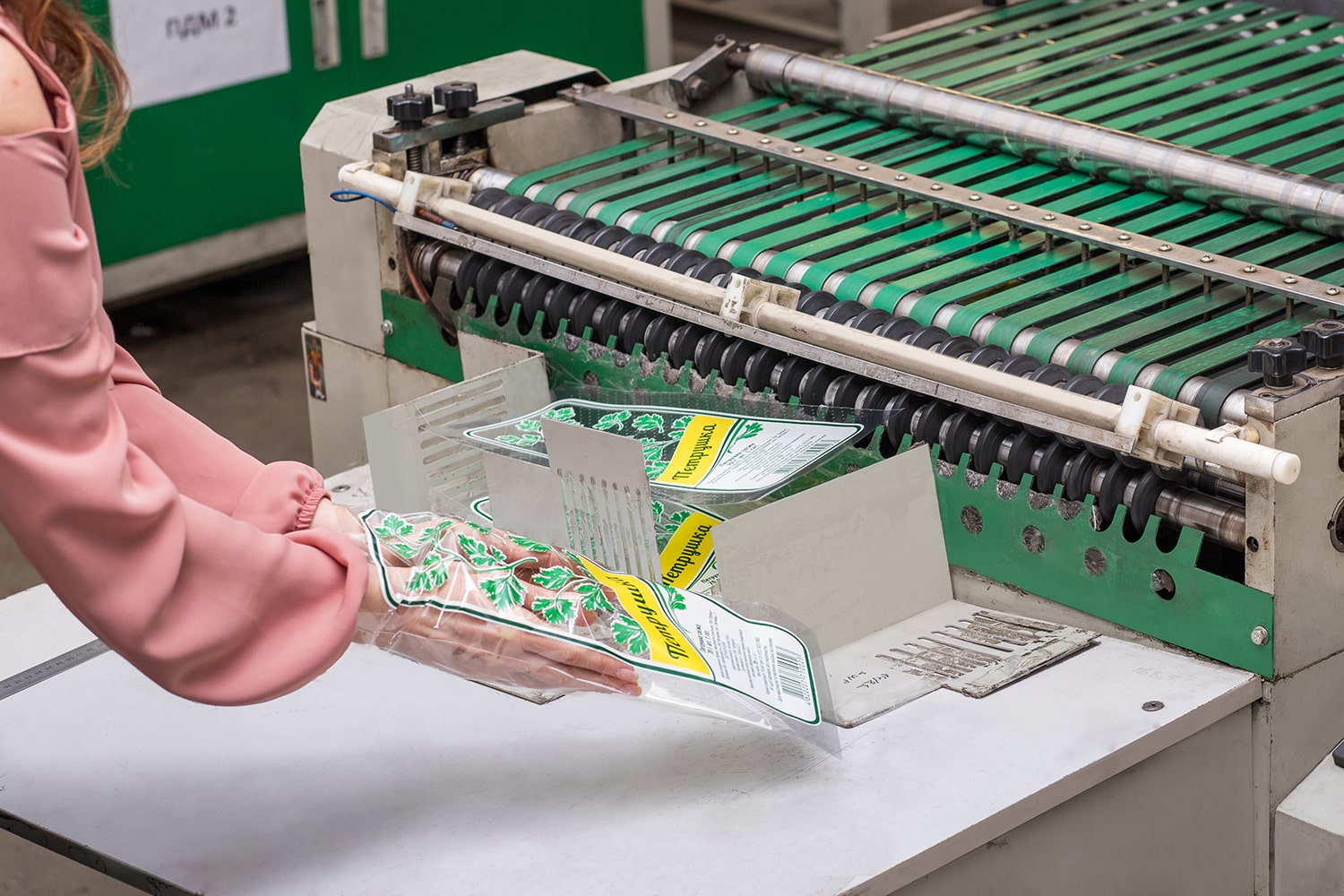
What is polypropylene, in simple terms?

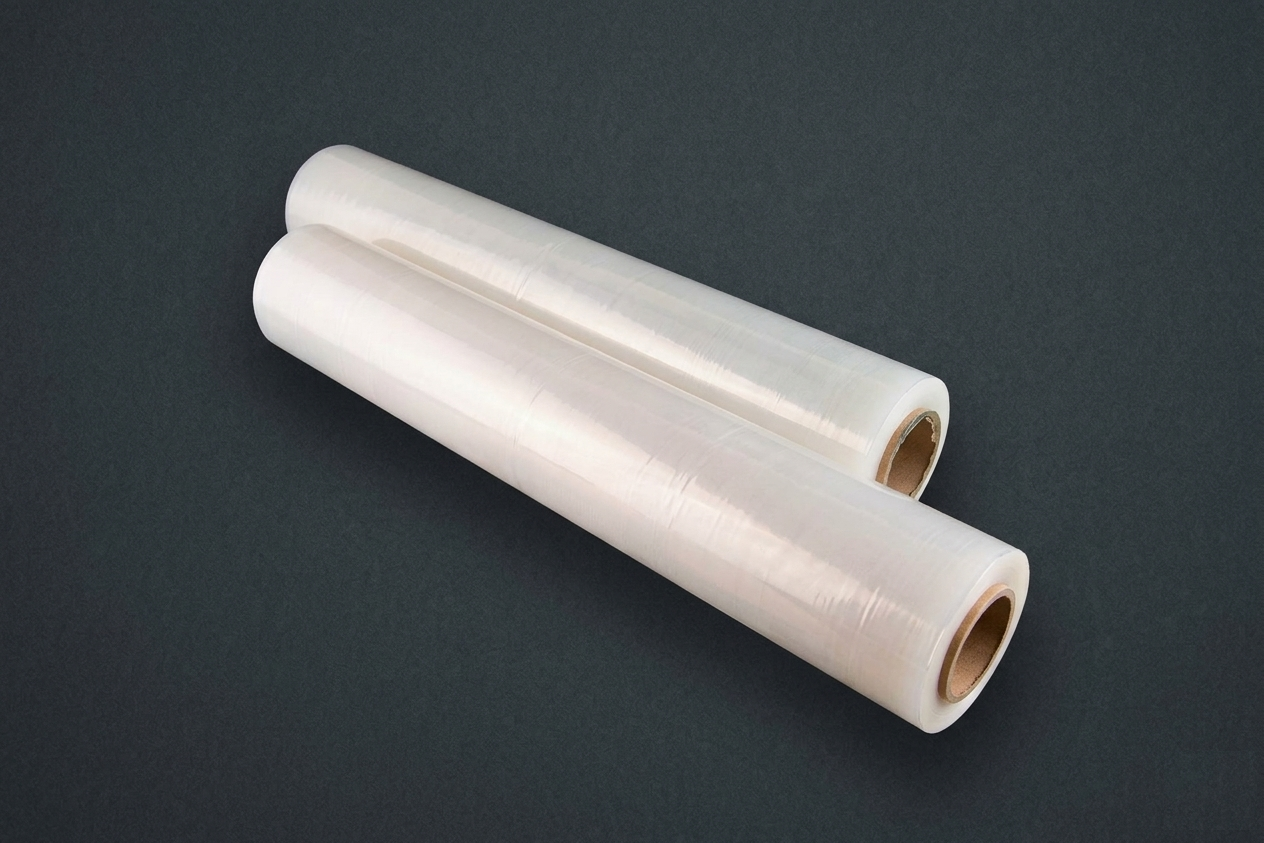
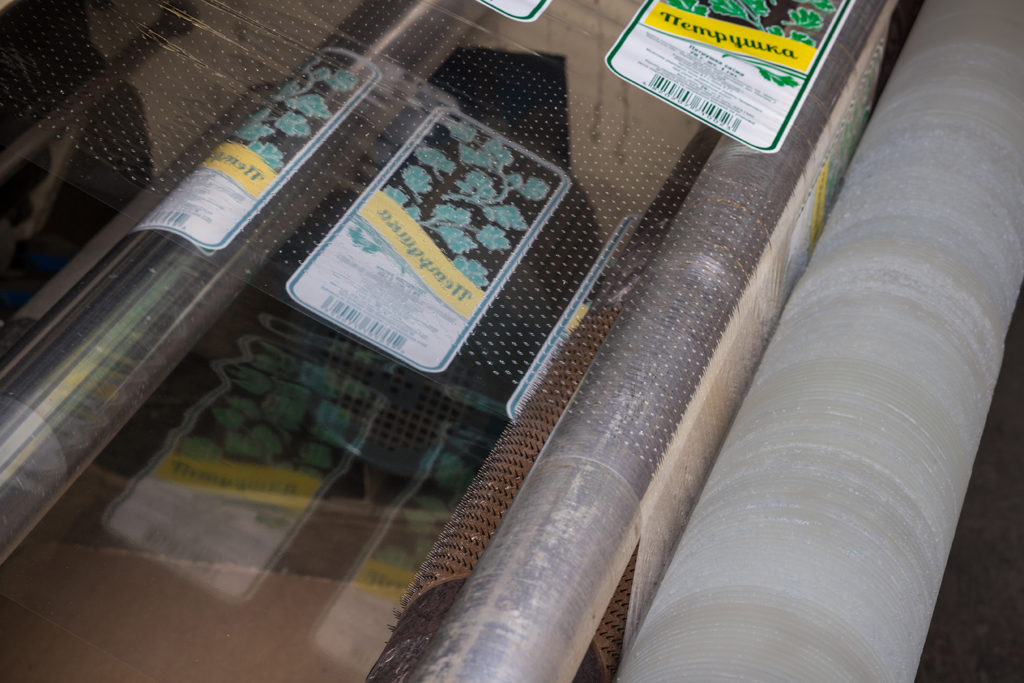 Polypropylene is one of the most versatile and safe types of plastic, made from petroleum products. It is a thermoplastic material that softens when heated and hardens when cooled. Polypropylene is used in many industries due to its strength, lightness and resistance to moisture. Food-grade polypropylene is particularly popular, as it is ideal for food packaging.
What is the difference between plastic and polypropylene?
Plastic is a general term for materials made from polymers. Polypropylene is a type of plastic with unique properties:
- Chemical resistance: it does not react with most acids and alkalis.
- Strength: it withstands heavy loads and retains its shape.
- Safety: particularly important in the food industry, where food-grade polypropylene is used for food packaging, as it does not release toxins and preserves the freshness of the contents.
Polypropylene often comes out on top compared to other types of plastic thanks to its versatility.
Where is polypropylene used?
Polypropylene is widely used in various sectors thanks to its unique characteristics. Here are the main areas of application:
- Food industry:
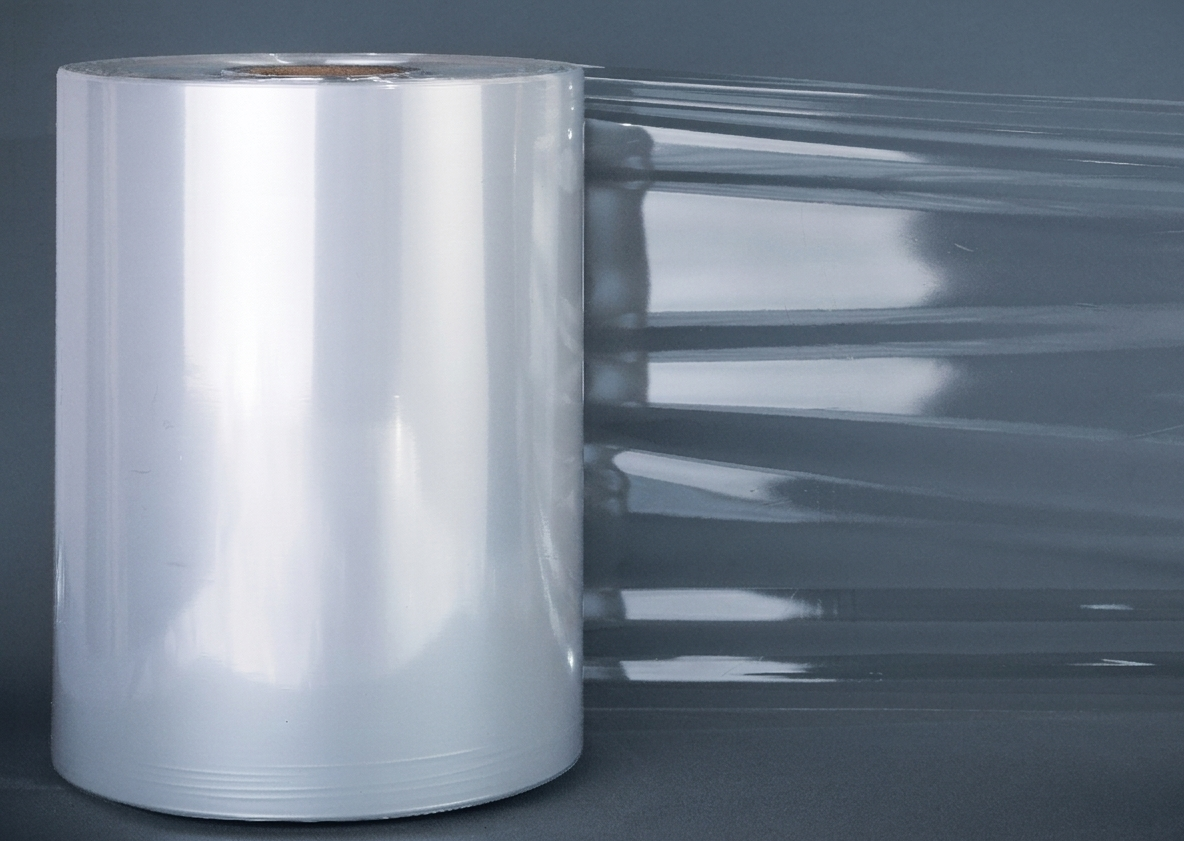
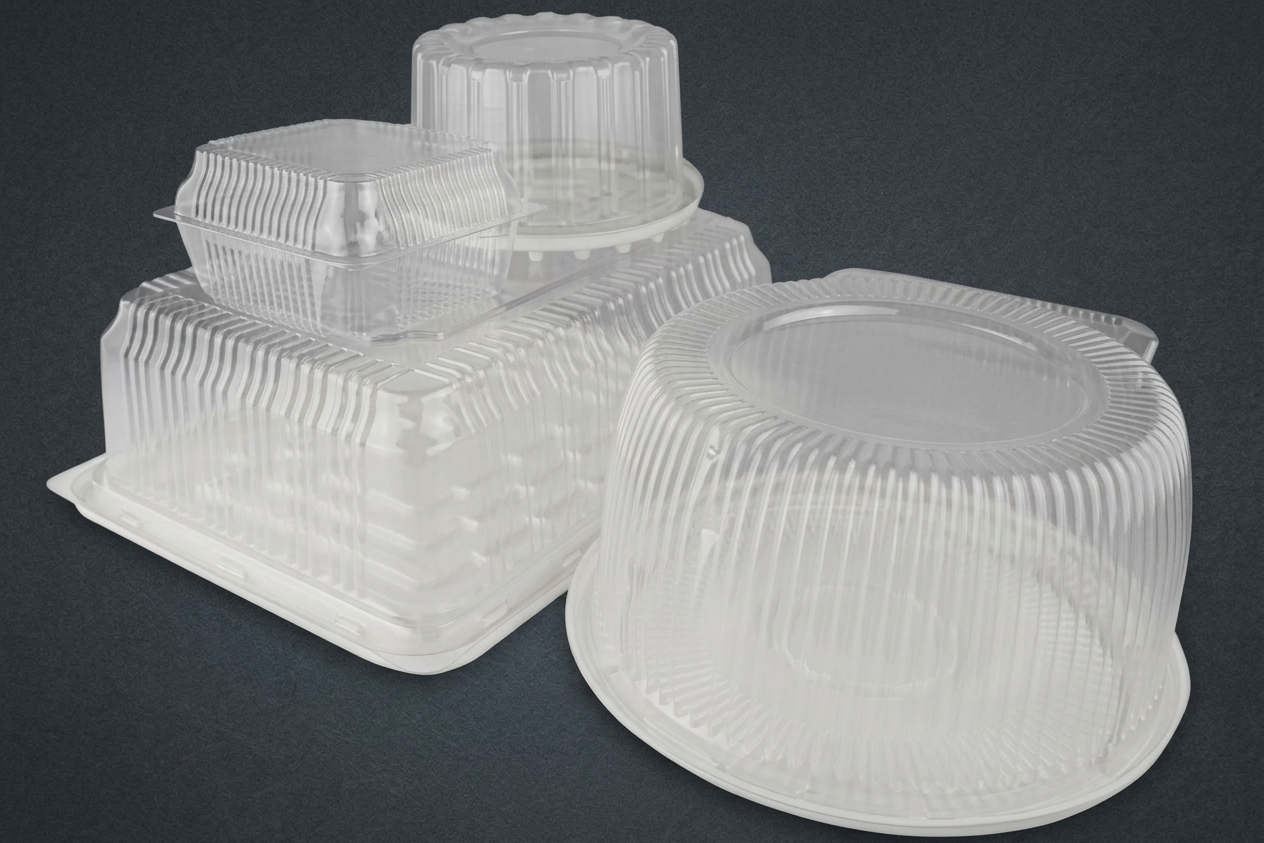
- Food packaging: containers, lids, films.
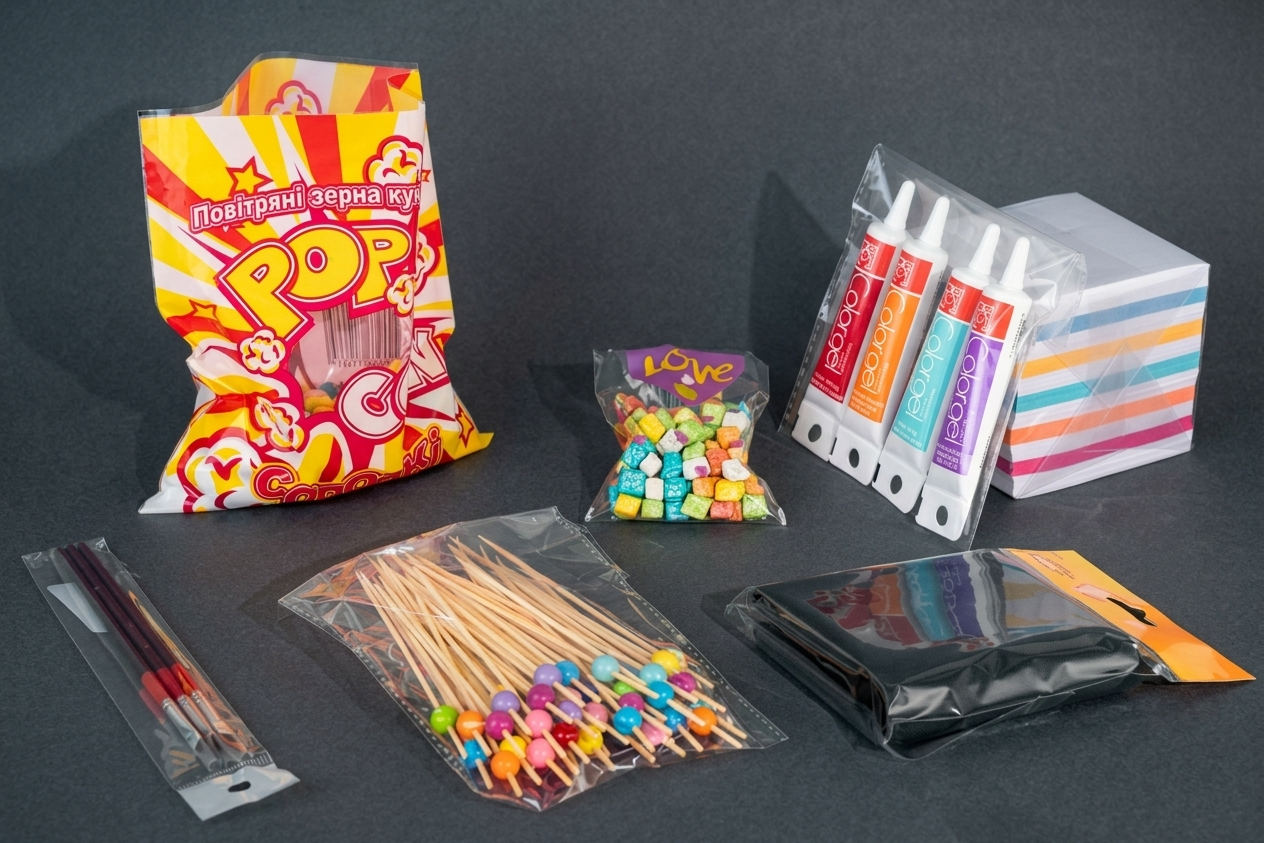
- Food-grade polypropylene is used to manufacture disposable tableware and wrappers for fresh produce.
- Medicine: syringes, test tubes, packaging for medicines.
- Household goods: furniture, toys, packaging for household chemicals.
- Automotive industry: interior components, protective coatings.
- Construction: pipes, insulation, fittings.
Polypropylene is also widely used in the production of packaging materials due to its durability and ability to preserve the properties of products.
What are the benefits of polypropylene?
Polypropylene is a material that combines numerous advantages:
- Lightweight: ensures ease of use and transport.
- Strength: protects against mechanical damage.
- Safety: particularly important for food products. Food-grade polypropylene does not release toxic substances, making it an ideal choice for food packaging.
- Moisture resistance: prevents water from entering the packaging.
- Environmental friendliness: easily recyclable and suitable for reuse.
When does polypropylene release formaldehyde?
Polypropylene, including food-grade polypropylene, does not release formaldehyde under normal conditions. However, harmful substances may be released under extreme heat (above 160–170 °C). It is therefore important to use polypropylene products in accordance with their intended purpose and to avoid overheating.
Is polypropylene safe?
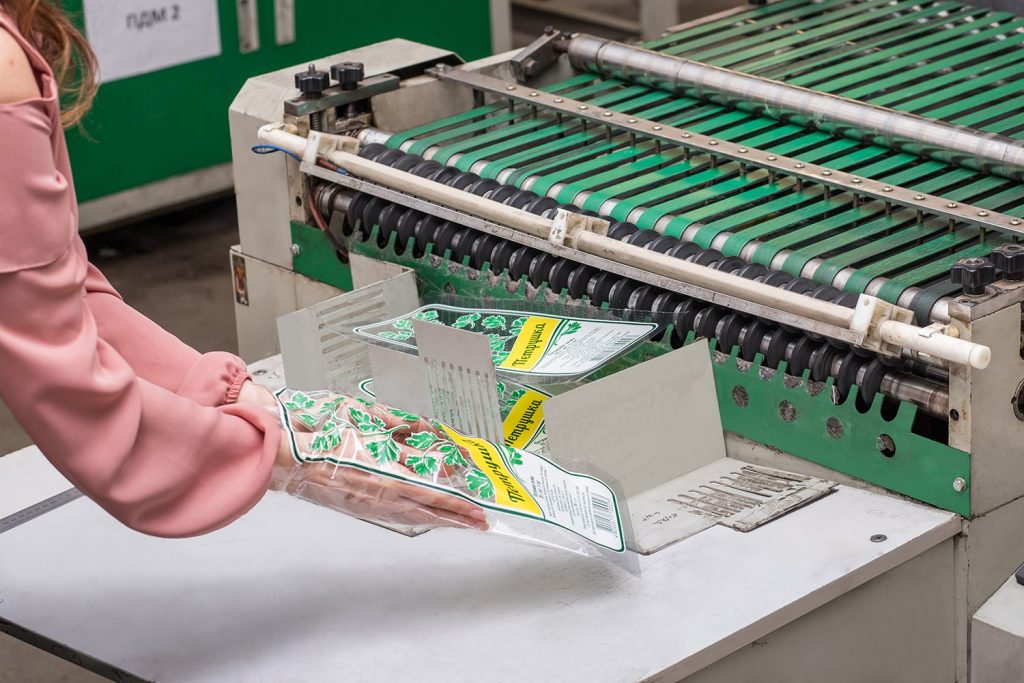
Yes, polypropylene is safe for both humans and the environment. Food-grade polypropylene is the standard material for food packaging; it does not release toxins and fully complies with health and safety standards. Polypropylene is also used in the manufacture of children’s toys and medical instruments, which confirms its safety. Furthermore, this material is easily recyclable, making it environmentally friendly.
Polypropylene, including its food-grade variant, is a material used in various sectors. Its strength, safety and affordability make it indispensable for both industry and everyday life. Choose polypropylene — choose quality!