BOPP polypropylene bags: features and benefits

Modern packaging comes in a vast range of options for both food and industrial products. But if you want your product to look expensive and eye-catching whilst being reliably protected, the choice almost always falls on BOPP. This abbreviation stands for a complex production process that transforms ordinary polypropylene into a beautiful, transparent and durable film. Today we’ll explain why these bags are not just packaging, but a fully-fledged marketing tool that directly influences the buyer’s desire to add the product to their basket. And we’ll discuss not only its characteristics, but also the specifics of its production.
What is BOPP: the magic of biaxial orientation
The abbreviation BOPP stands for biaxially oriented polypropylene film. To put it in simple terms, this means that during the manufacturing process, the polymer sheet is stretched in two directions — lengthways and crossways.
Why is this necessary? Take a standard polyethylene bag: it is soft, stretchy and can easily be pierced by the sharp corner of a box. With BOPP, it’s a different story. Stretching aligns the polymer molecules into a precise structure, similar to a reinforced mesh. The result is that the film becomes rigid, acquiring a mirror-like sheen and strength.
Key properties: physics at the service of business
When we talk about BOPP polypropylene, we mean a set of characteristics that make it a favourite in retail. These include:
- Optical properties. BOPP film has the highest transparency and gloss among mass-produced polymers. Products in such a bag have a ‘premium’ look, the colours on the label appear brighter, and the contents themselves look fresher and generally more appealing.
- Mechanical strength and flexibility. Thanks to biaxial stretching, the bags are extremely resistant to punctures and tearing. You can pack pasta with sharp edges or complex-shaped souvenirs in them — the bag will hold up and retain its shape.
- Barrier properties. The material is virtually impermeable to moisture, gases and external odours, which is important for products that may become damp or absorb odours from neighbouring goods in the warehouse.
- Heat resistance. BOPP retains its properties across a wide temperature range. The bag does not melt when stored on a shelf under direct light.
The combination of these qualities allows BOPP to be used where ordinary film fails in the face of sharp corners or the requirement for perfect sterility. For some products, this is the only truly effective way to preserve their appearance and condition.
Varieties: for any task
Manufacturing allows BOPP bags to be adapted to specific business needs by altering their design and functionality. They are used to produce the following packaging products:
- Bags with an adhesive flap. The most popular option for textiles, stationery and magazines. The adhesive strip allows the bag to be sealed quickly without the need for special sealing machines.
- Bags with a Euro-hang. These feature a special reinforced insert with a hole for hanging on retail brackets. This is the standard for small-scale packaging, helping to make efficient use of shelf space.
- Bags with a gusseted bottom. When filled, this bag forms a stable rectangular base. An ideal solution for tea, coffee or sweets, allowing the packaging to stand securely on the shelf.
- Sealable bags. The edges of the bag are sealed using a heat-seal, which protects the contents from opening and external factors. A reliable and cost-effective solution for packaging both food products and technical goods that require strict control over the integrity of the packaging.
Such a variety of shapes ensures that there is a perfect solution for any product — from a small souvenir to a bulky packet of cereals. All that remains is to choose the right size.
Areas of application: from bread to electronics
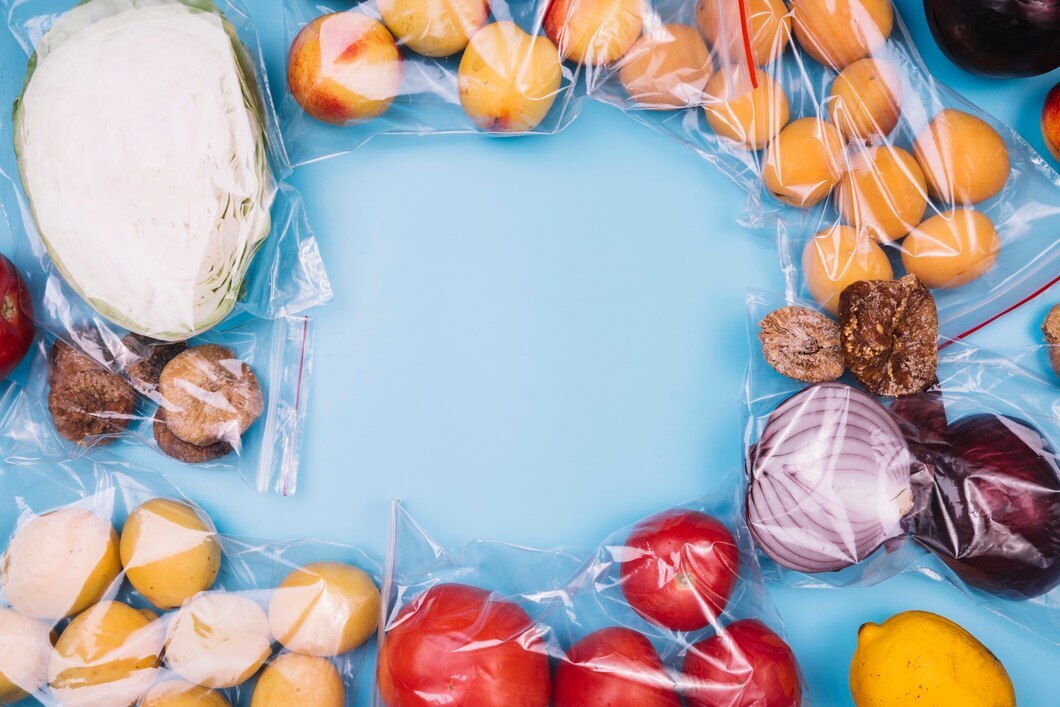
Thanks to its inertness, BOPP dominates the food industry. It is used to package bakery products, snacks, confectionery and dried fruit. The material is odourless and does not react with fats, ensuring the product’s flavour is preserved.
In the industrial and consumer sectors, BOPP is indispensable for packaging the following product groups:
- Clothing and textiles, where the packaging gives items a presentable appearance.
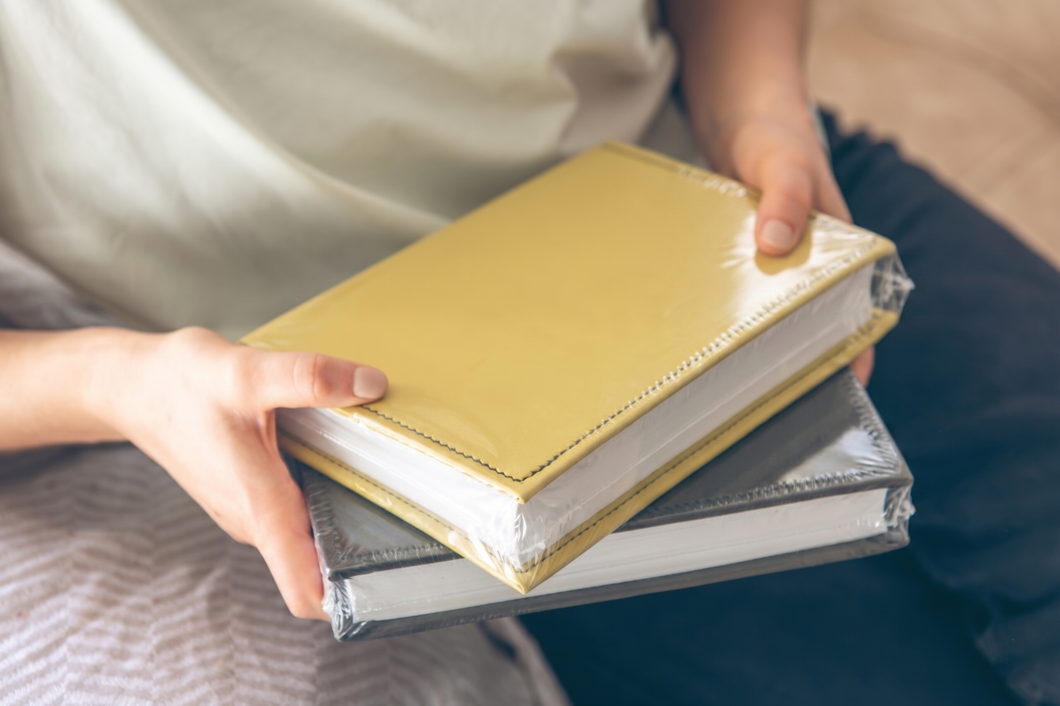
- Books, magazines and leaflets, to protect against moisture and dust whilst leaving the cover fully visible.
- Gifts and souvenirs, where the film’s sheen effectively emphasises the festive nature of the product.
- Cosmetics and perfumery, to protect boxes from scuffs.
The wide range of industries is easily explained: BOPP is equally effective both where strict hygiene is essential and where the aesthetics of presentation are paramount. A truly versatile material that never lets you down.
Quality control: what the customer pays for
During production, every roll of film and every batch of bags undergoes rigorous testing to rule out the possibility of defects on the filling line. Quality control comprises several mandatory stages:
- Seam inspection. The seam must be even and withstand a tensile load significantly exceeding the weight of the intended contents.
- Transparency test. Checking for the absence of cloudy spots, ‘fish eyes’ (unmelted granules) and foreign inclusions in the polymer structure.
- Thickness measurement. Where it is thin, it tears. Uniformity of the film across the entire surface ensures that the bag will not burst at its thinnest point during transport.
Careful monitoring of parameters at every stage minimises the risk of receiving substandard products, saving the customer time and money.
BOPP film bags are one of those rare cases where the packaging pays for itself by reducing wastage and enhancing the product’s appeal. It protects the contents, simplifies packaging, and makes the product appear more expensive and of higher quality in the eyes of the consumer. In the face of fierce competition on the shelves, the crystal-clear transparency and elegant sheen of polypropylene become the very deciding factor that persuades the buyer to choose your product.