How bags are made: features and technologies

- The bag manufacturing process: key stages
- Features of production and branding technologies
- Materials: why polypropylene?
- Types and functional features of polypropylene bags
- Production equipment and quality control
- Advantages of modern technologies
- Areas of application for finished products
- Recommended Articles
Modern packaging is, without exaggeration, half the battle when it comes to sales success. It determines how easy the product is to transport, how long it retains its properties, and how appealing it looks to the customer.
That is why packaging today is no longer just a shell. It is a high-tech product that must protect the contents from external factors, ensure aesthetic appeal and be as functional as possible in use. Polypropylene (PP/BOPP) bags are rightly considered one of the recognised market leaders. Their exceptional transparency, strength and protective properties have set the standard in both the food industry and the industrial sector. But how exactly is this inconspicuous yet indispensable part of our daily lives created? Let’s break down the process step by step, as it is truly fascinating.
The bag manufacturing process: key stages
The production of polypropylene packaging is a precisely calibrated cycle. Each stage determines the final characteristics of the product. At its core lies the processing of a flexible web, which undergoes a series of transformations.
First, the web is prepared and cut. The raw material for this is roll film. Special automated lines unroll it and cut it into blanks of a specified size with precision. At this same stage, the film is folded if the bag design requires gussets (side folds), and the bottom fold or valve is formed.
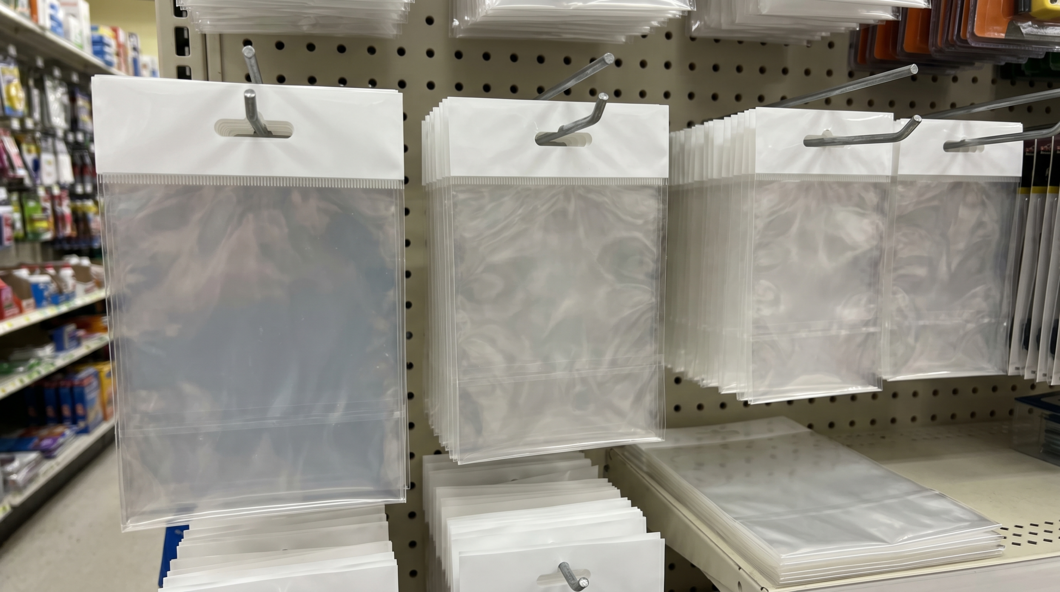
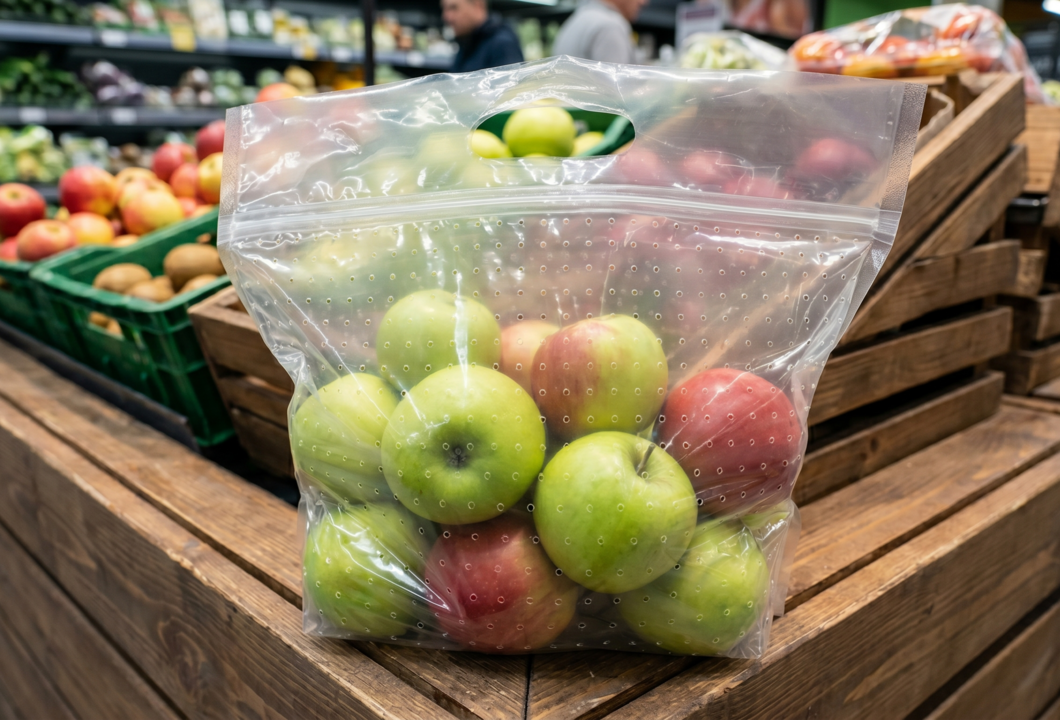
Next, the seams are welded. Technological precision is of the utmost importance at this stage, as the strength of the product depends on it. The edges of the bag are welded using a hot process. Under the influence of high temperature, the polymer layers melt and bond at a molecular level, forming a reliable seam capable of withstanding the weight of the product. During the sealing process, structural modifications may be made to the bag: punching ventilation holes (perforation) or forming a Euro-hang (Euro-slot) for convenient placement of the product on shop shelves. If the bag is designed for repeated resealing, adhesive tape is applied to the valve, which is protected by a liner until it is used by the end consumer.
Features of production and branding technologies
The technology for manufacturing bags from BOPP (biaxially oriented film) is distinguished by the fact that the material is pre-stretched in two directions, which gives the packaging its characteristic transparency and ‘glass-like’ sheen.
If the customer requires a custom design, flexographic printing is used in the process. This is a direct high-quality printing method that utilises flexible photopolymer plates. The ink is transferred to the film prior to the cutting and sealing stages. Flexographic printing allows for the application of detailed logos, vibrant infographics, and product ingredient lists. Special inks are used for this purpose, which dry quickly and have high adhesion to the slippery surface of polypropylene, without wearing off during transport.
Materials: why polypropylene?
The choice of materials for the bags is due to the chemical inertness of polypropylene. It does not react with food products, does not release toxins when heated (within certain limits) and has excellent barrier properties against moisture and external odours.
The transparency of polypropylene allows the customer to see the product clearly. Furthermore, this polymer is highly rigid — the bag ‘crinkles’, retains its shape and looks presentable even after being moved around on the shop shelf numerous times.
Types and functional features of polypropylene bags
The range of finished products is extremely wide, with each configuration tailored to its specific purpose. Broadly speaking, they can be divided into groups depending on their design and intended use:
| Group / Package type | Intended use (food) | For non-food and industrial goods |
| For sealing | Bread, cereals, fresh herbs | Clothing, accessories, stationery |
| With a valve and adhesive tape | Nuts, dried fruit, sweets | Manicure tools, clothing, stationery |
| With a rounded base | Bread and bakery products | Bulky textile items |
| With a Euro slot (Euro hinge) | Individual-sized appetisers, spices, snacks | Stationery, cosmetics, tools for beauty professionals |
| Wicket packs | Industrial packaging of bread in clip-top bags | These are used less frequently, mainly for packaging mass-produced goods on conveyor lines |
| With a central seam | Coffee, groceries, tea | Industrial mixtures, chemical products |
Each of these product types serves a specific purpose: the valve ensures quick access, the Euro slot facilitates convenient merchandising, and the bottom or side gusset allows the bag to stand upright on the shelf.
Production equipment and quality control
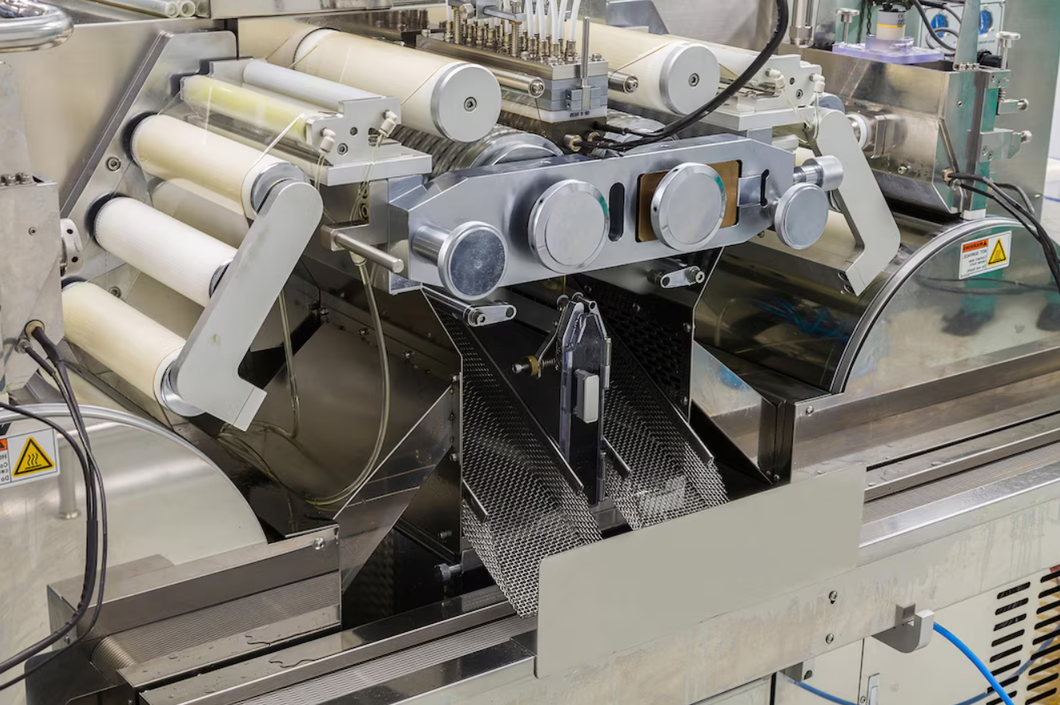
Modern production relies on automated machinery. These are high-throughput production lines where the operator’s role is limited to monitoring parameters on a touchscreen panel. The machines are equipped with photoelectric sensors that read marks on the printed film to ensure the cut follows the pattern’s edge precisely.
Then comes quality control. To put it simply, the bags are stretched, compressed and rubbed. The most important thing is the seal. If the bag tears along the seal line when pulled hard, it means the equipment was overheated or underheated, and such a pack will fall apart right in the shop. That is why samples are taken from each batch and checked to ensure that the seal is stronger than the film itself.
For airtight packaging for coffee or cereals, the bags are inflated — they must not let air out. Transparency is checked separately: polypropylene must be glossy, and any cloudy spots or dots on the film are grounds for rejecting the roll, as they prevent the customer from seeing the product clearly. If there is printing, they simply run their fingers over it with some pressure: the ink must adhere firmly, not stain the hands and not smudge if a drop of oil or moisture lands on it.
Advantages of modern technologies
Automation and modern technologies have made it possible to produce bags that are significantly cheaper whilst maintaining high quality. Previously, to make a bag strong, thicker film was used, but now technology allows for the use of thin film that withstands weight just as well as denser film. The result is packaging that is inexpensive, yet looks great and performs reliably in use.
Areas of application for finished products
Ready-made bags are used in virtually every sector:
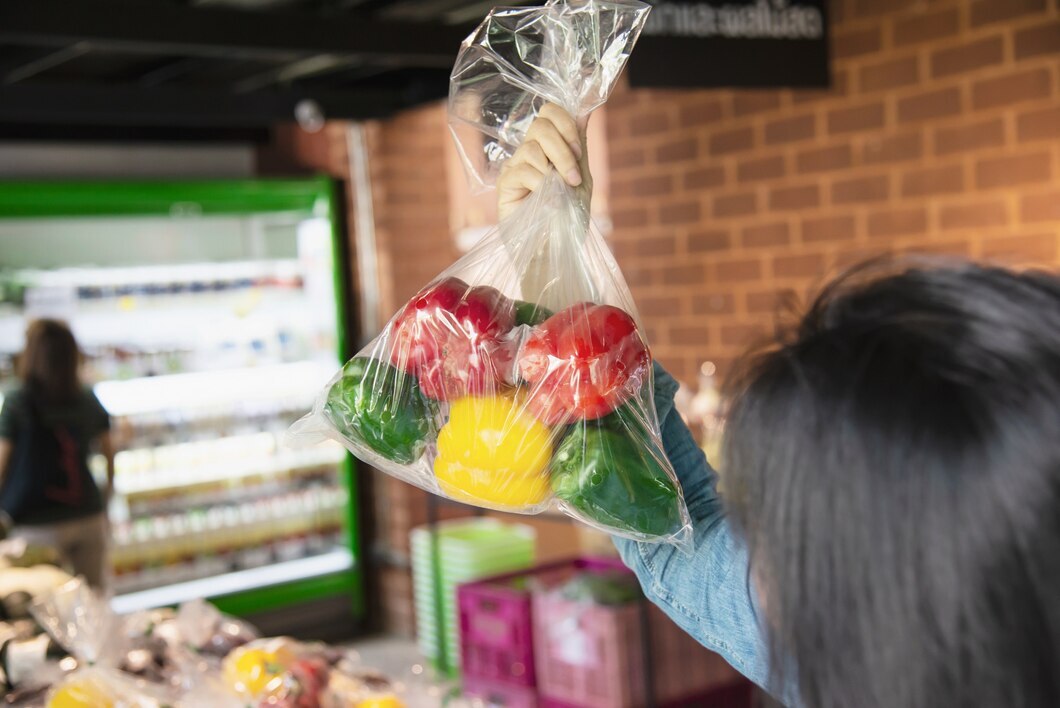
- Food industry: keeping bread fresh, protecting grains from pests, displaying fruit and vegetables.
- Light industry: packaging shirts, bed linen, hosiery.
- Medicine and cosmetics: storing sterile instruments, packaging cotton pads and swabs.
- Stationery: sets of paper, pens, exercise books — all of these require a transparent and durable packaging.
Ultimately, the entire production of polypropylene bags boils down to one simple task: the product must reach the customer in perfect condition. Investing in high-quality packaging pays off through the absence of defects and product returns. Ultimately, a convenient valve or the transparent ‘glass-like’ appearance of the bag is what the customer subconsciously appreciates when choosing your product from the shelf.