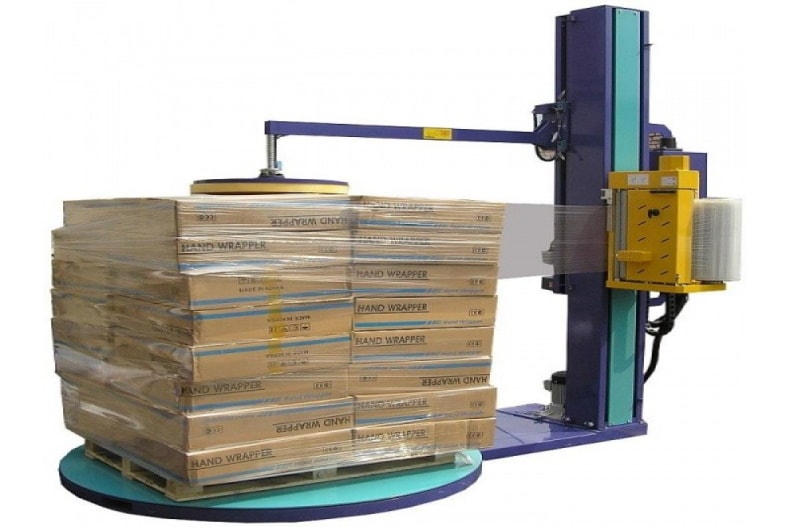
Stretch film is a convenient and attractive way to quickly and securely wrap almost any product. The material is supplied in rolls and is designed for the individual or bulk wrapping of goods using machines. This low-density polyethylene film for machine wrapping has some interesting features:
- reversible stretch;
- layer adhesion.
Typically, the thickness of this stretch film ranges from 15–17 to 23 microns. It is most commonly used for securely securing groups of goods on pallets. Consequently, the material has higher stretchability and strength parameters than stretch film for manual packaging.
Types and uses of packaging stretch film
Stretch film is classified according to its pre-stretch ratio. This is one of the key parameters of machine-wrapping film. The higher the pre-stretch value, the better its strength characteristics and recovery capacity, and the lower the film consumption during packaging. Therefore, film with a high guaranteed pre-stretch capacity will cost more. However, the savings achieved through a higher number of pallets packed are also greater.
Stretch packaging film is typically divided into three categories:
- Standard – for semi-automatic machines with an elongation ratio of up to 160%;
- Power – designed for automatic wrapping machines with an elongation capacity of 180% to 230%;
- Super – for high-performance equipment with pre-stretch up to 400%.
Thick, dense stretch film (23 µm) is required for securing heavy goods (e.g., paving slabs). 20-micron film is used to secure bulky products and items with sharp edges. Material with a thickness of 15–17 µm is used for standard, lightweight items.
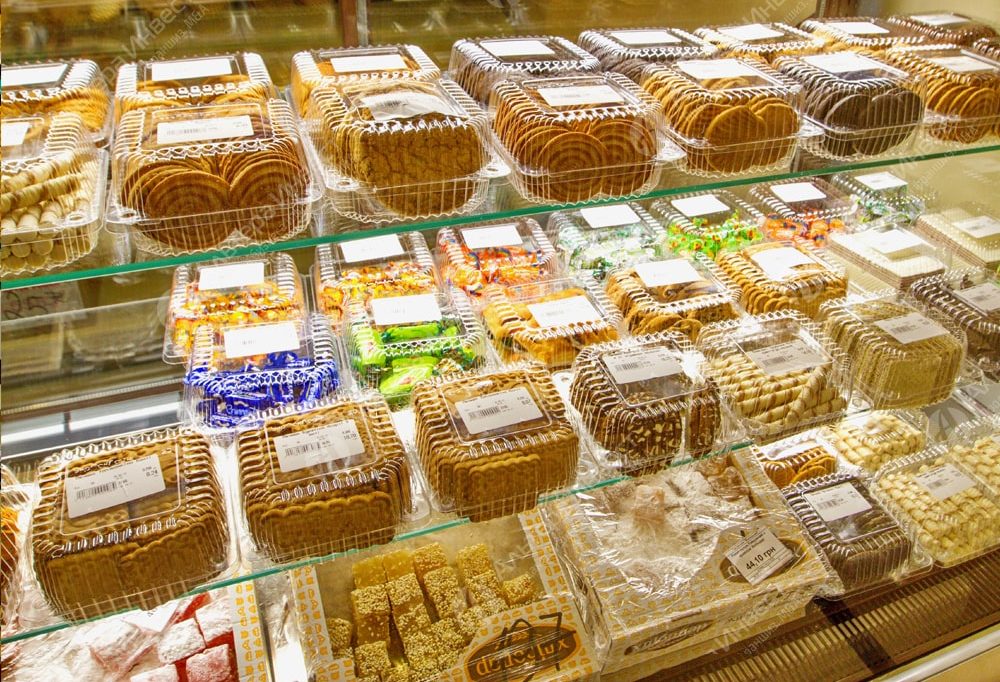
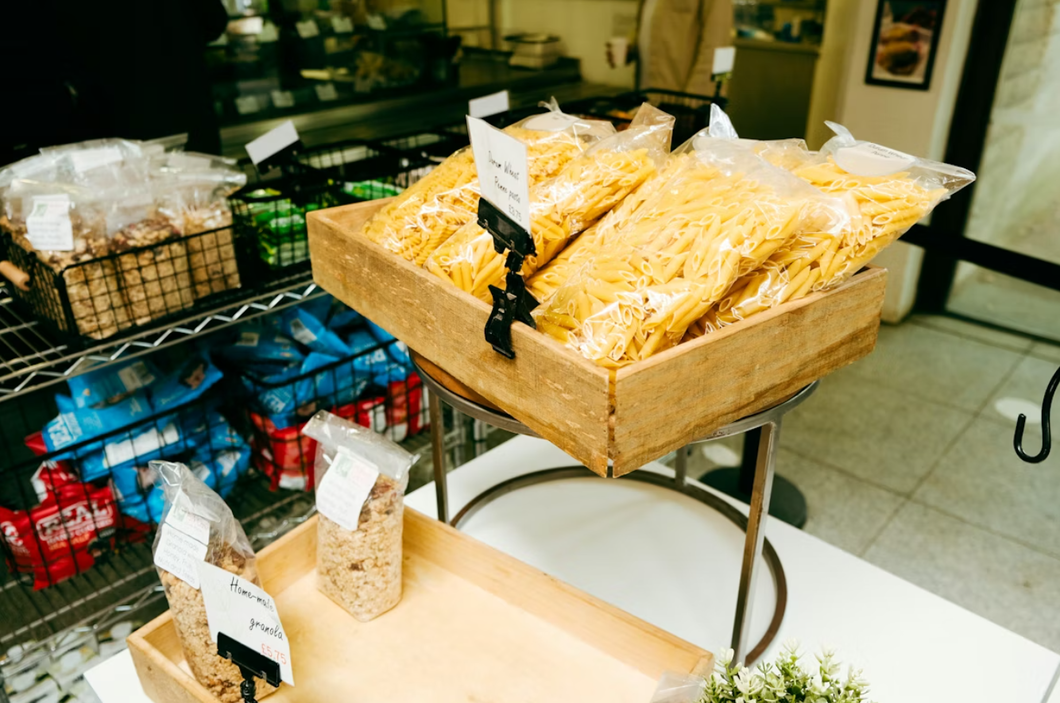
For food packaging, food-grade machine stretch film with a thickness of 8–10 microns is used, offering similar qualities and additional barrier properties.
When ordering stretch film for packaging, it is important to consider the capabilities of your equipment: whether the machine can stretch the film to the specified thickness.
Advantages and features of the material
Stretch film for machine packaging is a modern material that is convenient and economical to use, allowing for the packaging of small and bulky loads of non-standard shapes. It adheres firmly to its opposite surface, yet does not stick to other objects. Machine-grade stretch film is characterised by:
- increased puncture and tear resistance;
- ease of use;
- resistance to crushing;
- excellent protection of the packaged goods against damage and contamination;
- ability to return to its original shape;
- water resistance;
- a wide operating temperature range;
- non-toxicity;
- low price.
High-quality stretch film retains its integrity even under maximum tension. Wrapped in several layers and securely fixed, the goods remain visible for visual inspection.
Food-grade machine stretch film is in demand on automated production lines at food manufacturing plants and in supermarkets. The industrial-grade stretch film is in demand among freight carriers, postal services and construction companies.
Applications of industrial stretch film:
- minimises the risk of loss and damage to goods;
- increases the speed of loading/unloading and stock control;
- simplifies order picking;
- allows for the packaging of frozen products.
Stretch film from the manufacturer Eventus Group Ltd offers the best value for money. This will help reduce the cost of purchasing the required quantity of machine-grade stretch film.