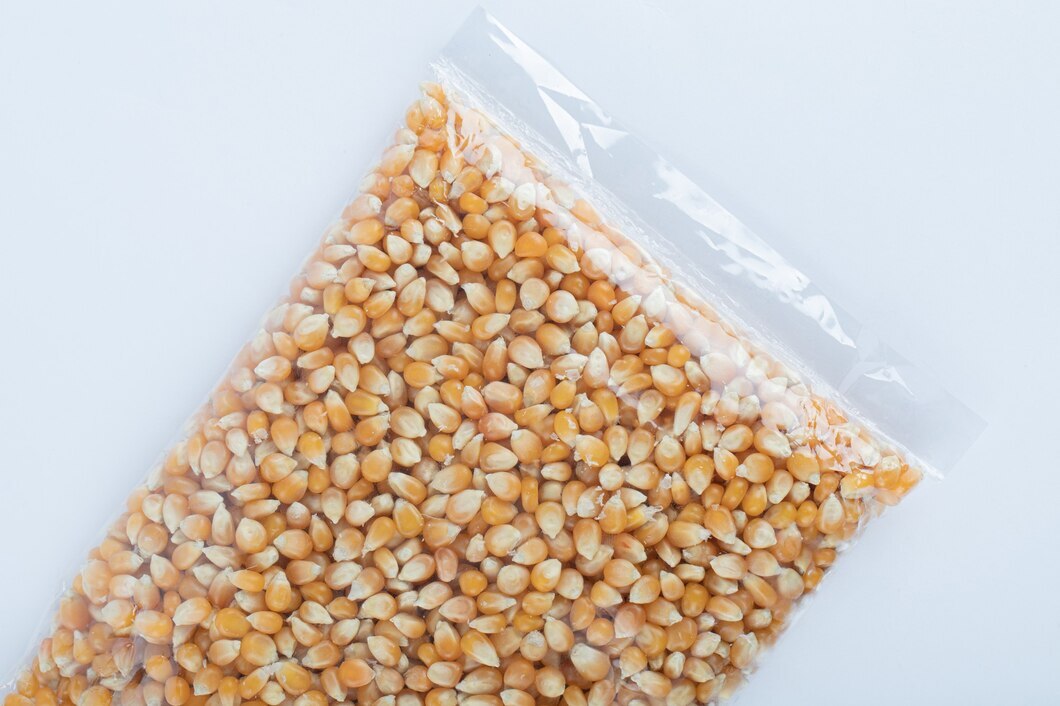
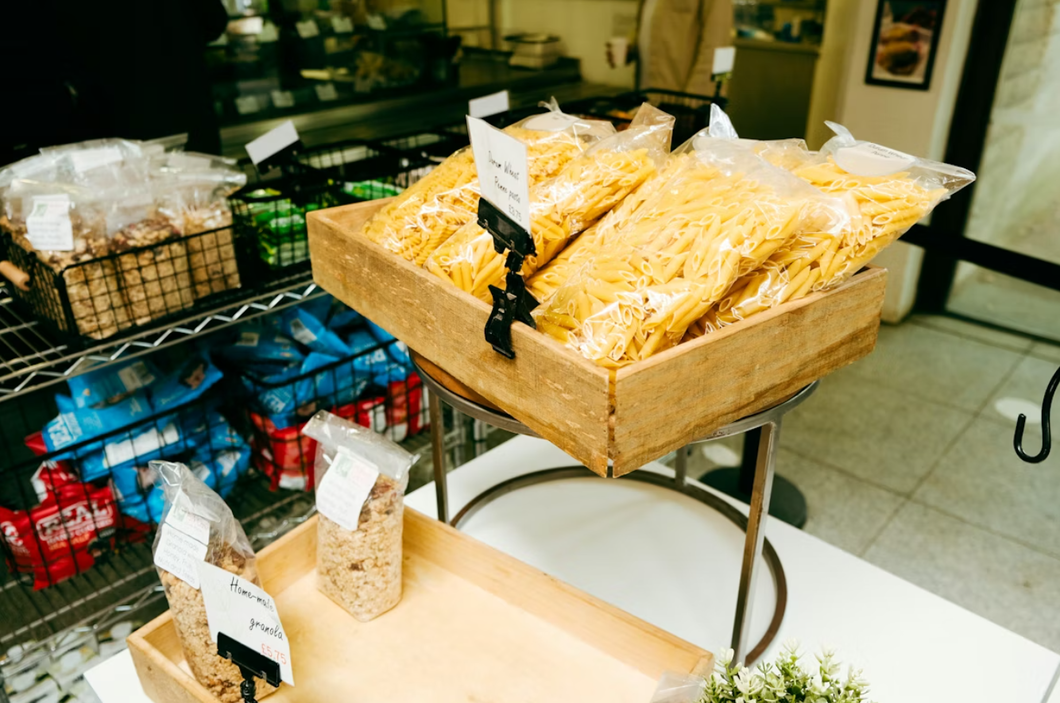
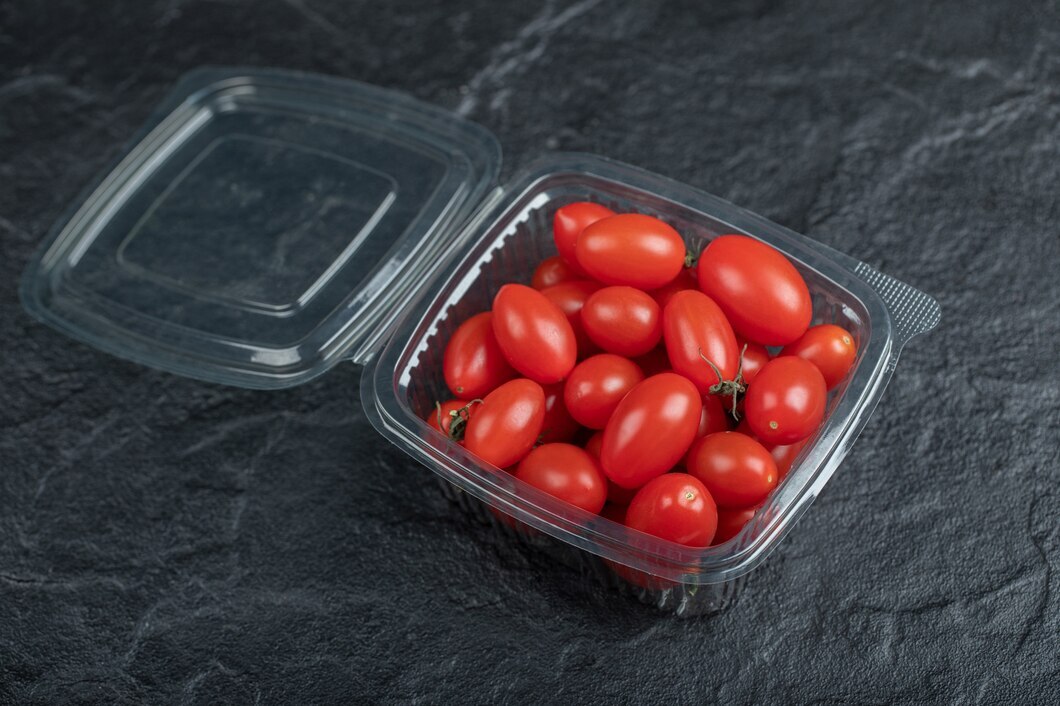
Food-grade polypropylene is found in many everyday plastic items. It is used to make food containers, yoghurt and baby food pots, toys, inhalers and syringes, as well as cling film. Nevertheless, many people view plastic products with caution, and some are openly prejudiced – any plastic product is harmful to health! But is that really the case?
Polypropylene in the food industry and medicine
Polypropylene is a thermoplastic polymer which, thanks to its properties, has become widely used in various industries. The use of this material in the medical sector and in food production demonstrates its safety for human health.

This strong, lightweight, inexpensive and chemically resistant material is second only to polyethylene and polyvinyl chloride in terms of popularity. Food-grade polypropylene is widely used:
- in medicine (medical film, supplies);
- for equipment in food production facilities (dairies, meat processing plants);
- in confectionery factories and bakeries (packaging, equipment);
- as packaging materials for food products (film, containers).
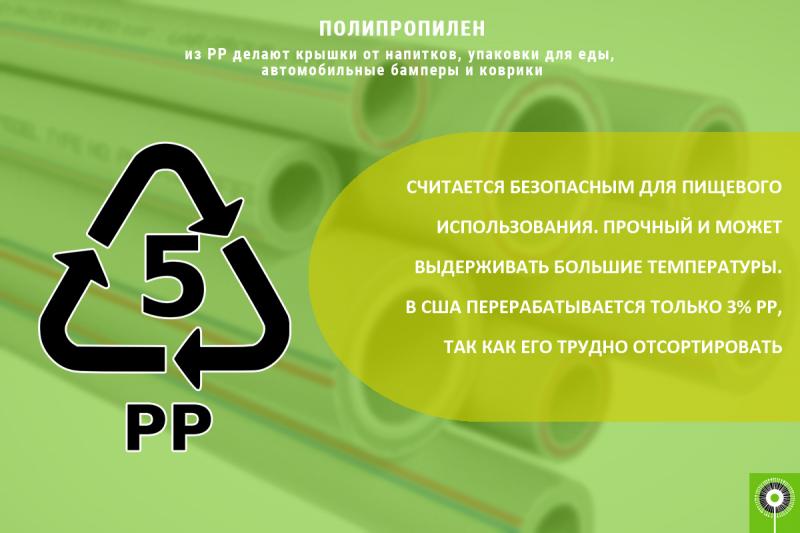
It is used to manufacture water bottles, containers for finished products, parts for syringes and inhalers, drip stands, medical film and food packaging. Food-grade polypropylene is also commonly found in everyday life; its marking, consisting of the letters PP and the number 5, is commonly seen on disposable tableware, packaging for dairy products and drinks. The technological processes of food production require the use of containers resistant to aggressive environments, which are also made from this practical polymer. Packaging made from strong polypropylene film reliably protects food products from external factors.
Modern industry produces several types of plastics. It is food-grade polypropylene that is recognised as the safest for health.
And what do scientists say?
The main requirement for materials that come into contact with food is that the packaging must not affect the taste, colour, composition or smell of the contents, nor react with them. Food-grade polypropylene copes admirably with this task. It is strong and resistant to salts, acids and alkalis. Its smooth, glossy surface resists contamination well, does not collect food residues and is unsuitable for the growth of microorganisms.
Food-grade polypropylene is characterised by:
- a high melting point;
- chemical neutrality towards food;
- strength and resistance to stress.
For food-grade polypropylene to start breaking down, the temperature must be well over 100 degrees. And some grades of the polymer can withstand temperatures of up to 170°C. Polypropylene films used in pharmaceuticals and medicine can be sterilised.
But what if you accidentally swallow it? Polypropylene dust, when administered to the stomach five times, did not cause any symptoms of poisoning. Sceptics also point out that polypropylene can release formaldehyde and other far from beneficial substances. Perhaps. However, for this to happen, the material would need to be heated to 200 °C and one would have to breathe in the vapours for at least two hours. The scientists’ conclusion is clear: a sensible person would simply not create the conditions under which polypropylene could become dangerous, and it is impossible to do so accidentally.
Food-grade polypropylene is suitable for packaging medicines and food products (including baby food). You can order high-quality polypropylene film from our company.