- Types of packaging: from flexible films to bags with Euro-hangers
- Production technologies: how packaging is made
- Materials for different products: how to make the right choice
- Features of food packaging
- Features of industrial packaging for bakery products
- Quality control: how packaging is tested for ‘professional suitability’
- Recommended Articles
Modern packaging combines logistics, marketing and product protection all in one. How it is chosen determines whether the product reaches the shelf intact and whether the customer will even want to pick it up. Today, packaging production is a high-tech process where the choice of material is dictated not only by price but also by the physical and chemical properties of the product.
It is important to understand these nuances: choosing the right packaging saves on transport costs and protects against returns. We will look at exactly how different types of packaging materials are manufactured and what to look for when choosing, so that you can navigate the range with confidence and understand exactly what packaging your specific product needs.
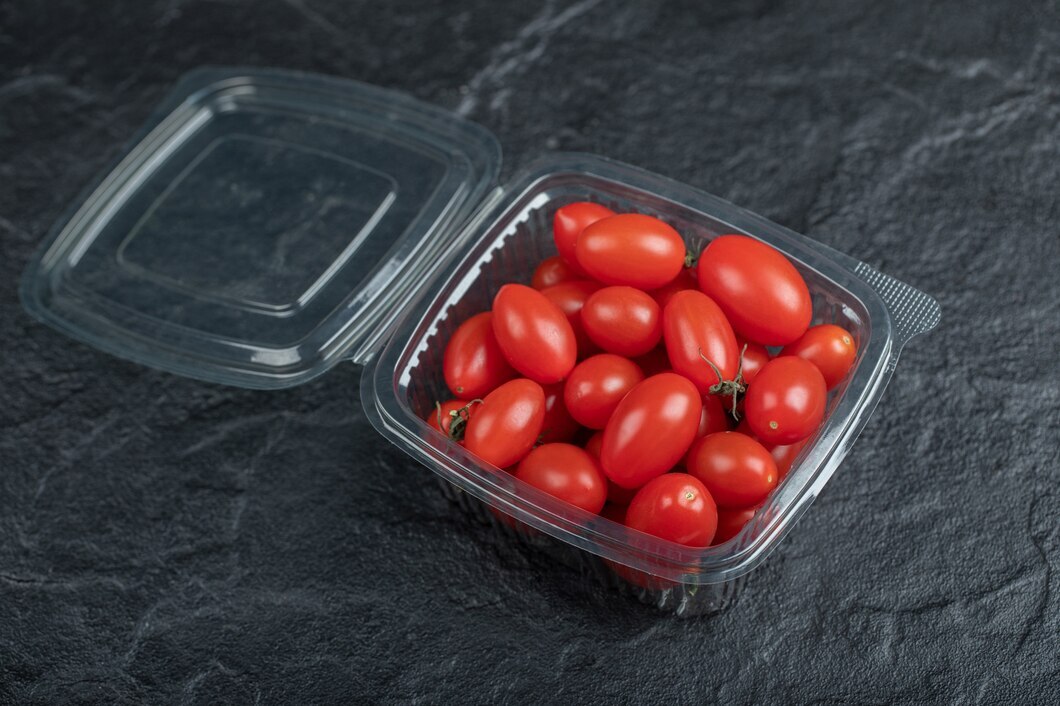

Types of packaging: from flexible films to bags with Euro-hangers
The market for packaging solutions is vast, with each sector requiring its own capabilities and approaches. The majority of products can be broadly divided into three main groups:
- Flexible packaging. This is the favourite of modern retail. It includes polypropylene bags, multilayer films and vacuum solutions. They are popular for their lightness, low cost and the ability to showcase the product thanks to their perfect transparency.
- Specialised solutions. Composite materials such as kraft paper with an inner laminated layer and various bags with functional elements.
Attempting to create technically perfect packaging ‘for every occasion’ is a pointless and expensive endeavour. The main task of production is to strike a balance between protective properties and final cost, so that packaging fulfils the specific requirements of the product without increasing its cost price.
Production technologies: how packaging is made
In packaging production, everything hinges on timing and the correct temperature. When it comes to polymer solutions, it all starts with extrusion — melting plastic granules and drawing them into a thin web. But the most interesting part happens during the shaping stage. Modern technologies allow the use of a ‘hot knife’, which in a fraction of a second simultaneously cuts the web and seals the edges. A perfect seam ensures the joint is uniformly strong: its mechanical properties are as close as possible to those of the base material, allowing the structure to distribute the load evenly.
When branding such packaging, flexographic printing is most commonly used — where ink is applied to the film using flexible plates before the bag takes its final shape. It is the combination of precise sealing and high-quality printing that transforms an ordinary polymer into a fully-fledged advertising medium.
Materials for different products: how to make the right choice
Choosing a base material is always a balance between protection and cost. Among the most popular materials on the market:
- Polypropylene (BOPP). You could say it is the ‘glass’ of the plastics world. It has a unique sheen and transparency. Polypropylene is almost impervious to moisture and odours, making it indispensable for food products.
- Polyethylene (PE). Softer and more elastic. It is chosen for heavy or sharp items (such as spare parts or building mixes) as it offers better resistance to punctures and tears.
- Cardboard. A good box acts as a frame, bearing the full weight of loading and unloading.
Understanding the characteristics of these materials helps the manufacturer select the optimal packaging thickness without overpaying for excess weight or excessive density. However, it goes without saying that each material from different manufacturers may have its own specifications.
Features of food packaging
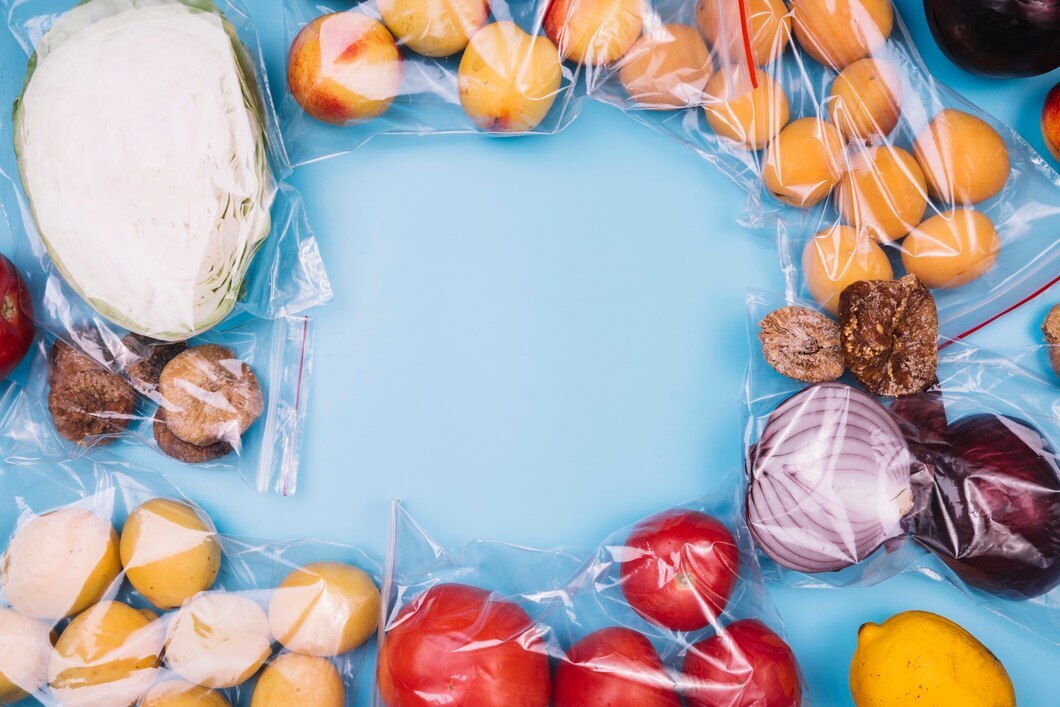
For food products, the production of packaging is first and foremost a matter of safety and shelf life. Food products are extremely sensitive: some are sensitive to oxygen, others to sunlight, and others to excess moisture. To prevent the product from oxidising, films consisting of 3–5 layers of different polymers are used. Each layer has its own function: one maintains the shape, another blocks oxygen, and a third ensures easy sealing.
Bread, vegetables and fresh herbs need to ‘breathe’. If they are packed in an airtight bag, condensation will build up inside and mould will grow quickly. To prevent this, microscopic holes are punched into the film, which allow air to circulate. Naturally, the material must not smell of the ‘factory’ and certainly must not transfer this smell to the product.
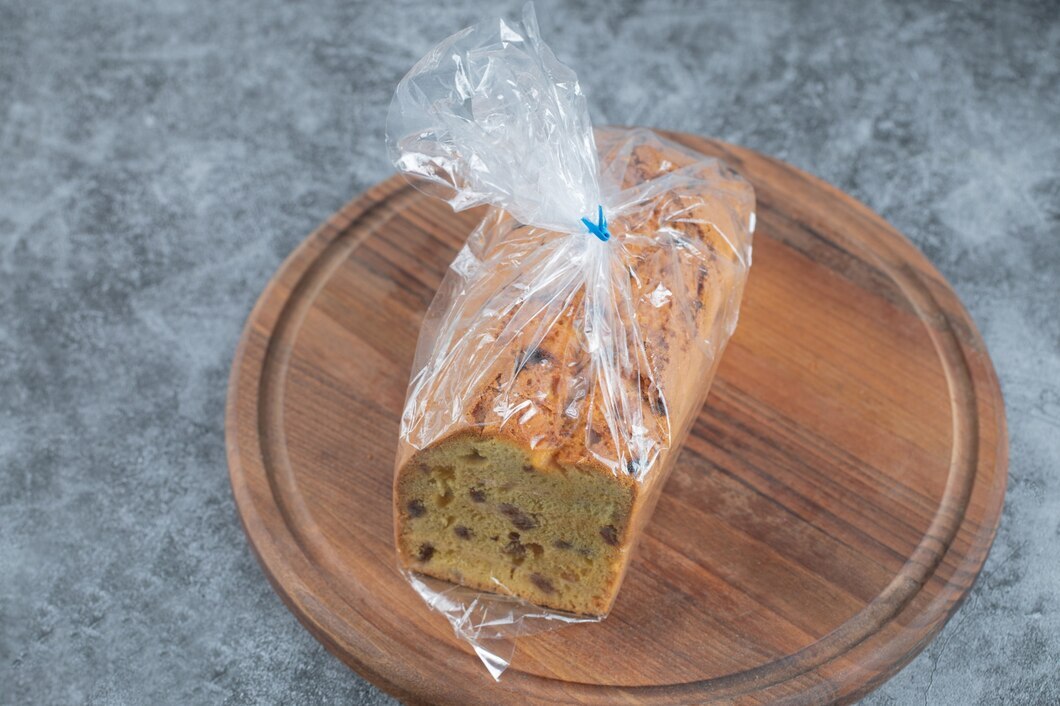
Features of industrial packaging for bakery products
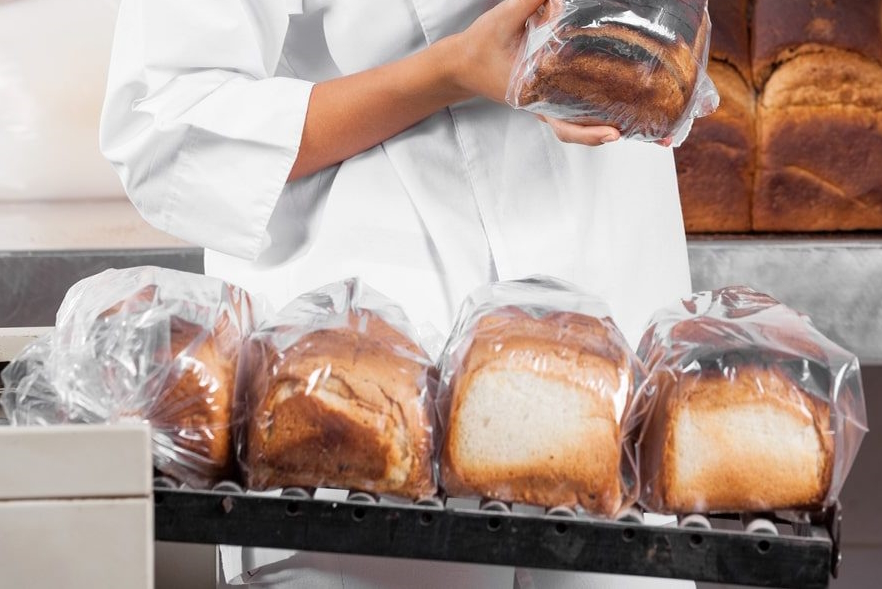
Specialised packaging for bakery products is designed to take into account the physical and chemical properties of baked goods. The high quality of the polymers used ensures an optimal microclimate inside the bag, which directly affects the preservation of the product’s organoleptic properties: a crisp crust, soft crumb and characteristic aroma.
The material offers a carefully balanced combination of strength and elasticity, minimising the risk of damage to the packaging during logistics and shelf display. Thanks to the film’s barrier properties, bread and pastries are reliably protected from premature staling and environmental influences, which significantly extends their shelf life and preserves the products’ consumer qualities.
Quality control: how packaging is tested for ‘professional suitability’
During production, the packaging undergoes a series of rigorous tests before being released for use. Upon leaving the machine, samples from each batch are checked:
- Tear test. A specialist must inspect the seams.
- Flexographic printing safety. Modern packaging must be ready for standard operating conditions. It is important that the print remains stable during normal transport and storage.
- Visual inspection. Specialists monitor transparency. There should be no cloudy streaks or ‘fish eyes’ — solidified lumps of plastic — on the polypropylene.
Careful sample selection at every stage reduces the risk of receiving a defective batch to virtually zero, which protects the brand’s reputation in the eyes of the end consumer.
Ultimately, bags, film or boxes are the face of your brand. High-quality packaging is a quiet but effective salesperson, ensuring that the customer receives the product exactly as it left the factory. It is an investment in reputation that pays off through fewer returns and customer loyalty.