Nowadays, it is crucial to present products as vividly as possible, as consumers often make their choice within a matter of seconds. Consequently, packaging is no longer merely a protective shell but has become the primary channel of communication between the brand and the consumer. Flexographic printing is used to apply a bright, clear and durable image to bags or film. It is the dominant technology in the packaging industry, enabling the production of millions of copies with photographic quality. Today we will discuss what it is and what benefits it offers to businesses.

What is flexographic printing and what makes it unique
Flexography is a method of direct high-speed rotary printing. It takes its name from the Latin flexibilis (flexible). Unlike traditional offset printing, which uses rigid metal plates, flexography employs elastic photopolymer forms (clichés).
The process works as follows: liquid ink is transferred to a special transfer roller (anilox), which dispenses it in controlled amounts onto the raised areas of the flexible plate. This plate is then pressed against the material — polypropylene, paper or foil — leaving a clear impression. The flexibility of the plates makes it possible to print on surfaces with a rough texture and on the thinnest films without damaging their structure. It is this versatility that has made flexographic printing the standard for the production of branded bags and packaging materials.
Process technology: from design to finished roll
In reality, high-quality printing is all about the precise adjustment of every detail. The entire process rests on three pillars:
- Plate making. A separate flexible plate is produced for each colour in the design. If there are five colours on the bag, this means that five cylinders with different plates will be installed on the printing press. Modern photopolymers allow for the reproduction of the finest gradients and small typefaces.
- Ink selection. Flexography uses low-viscosity, quick-drying inks based on water or alcohol. This is important for the food industry: such inks have no strong odour and do not migrate through the packaging into the product. Once applied, the ink sets instantly under the influence of drying units, allowing printing at speeds of up to 400–600 metres per minute.
- Substrate. Most often, this is biaxially oriented polypropylene (BOPP). This film has perfect adhesion — the ink ‘locks’ onto the surface firmly. Thanks to the high transparency of BOPP film, the colours appear rich and deep, creating the look of a premium product.
Thanks to the automation of modern production lines, the process virtually eliminates the human factor. Electronics monitor colour matching with millimetre precision, guaranteeing zero defects even on massive batches.
Applications in the packaging industry: where we see the results
Flexographic printing is all around us — from our shopping baskets to DIY stores. The main areas of application include:
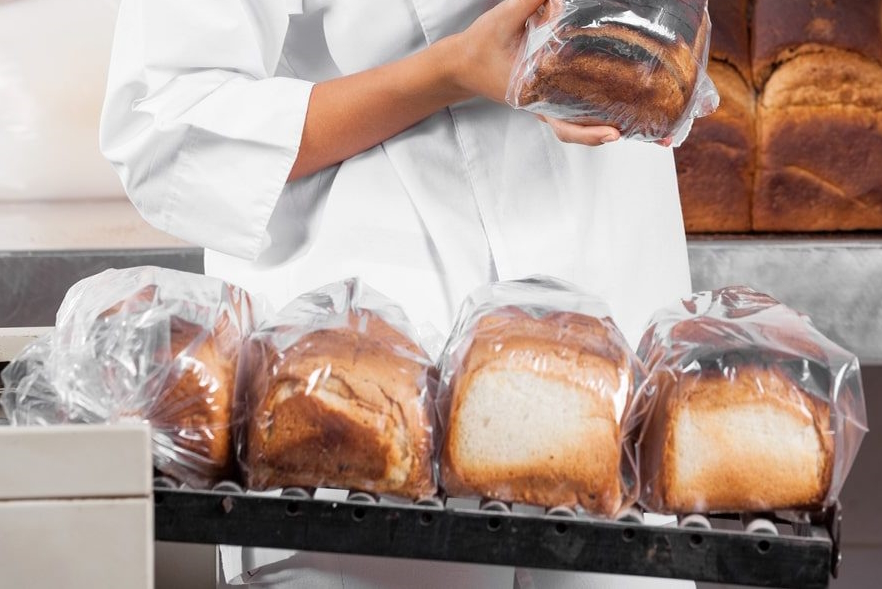
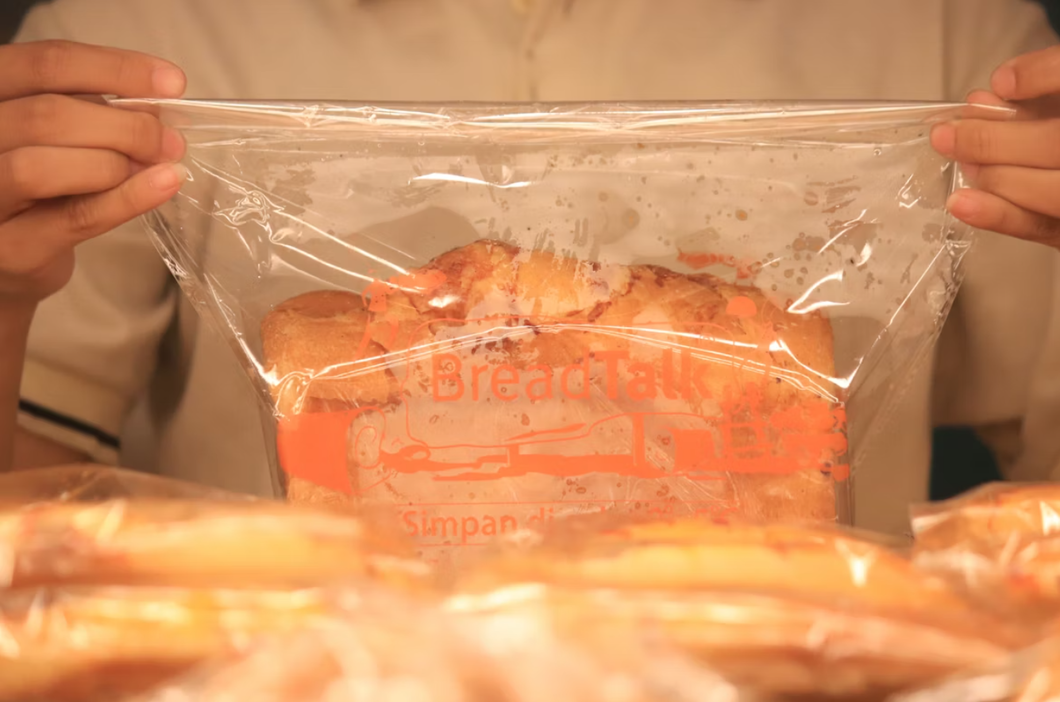
- Flexible packaging for food products. These are the very same bags for bread, pasta, cereals and snacks. High printing speeds allow for the rapid production of huge runs of packaging for mass-market goods.
- Labels. Self-adhesive labels on bottles of water, household chemicals or cosmetics are printed using flexography in 90% of cases. This method allows the use of metallic inks and varnishing in a single printing cycle.
- Corrugated cardboard boxes. Flexographic printing is indispensable for branding transport packaging. The flexible plate conforms gently to the uneven surface of the corrugated cardboard without creasing its internal stiffening ribs.
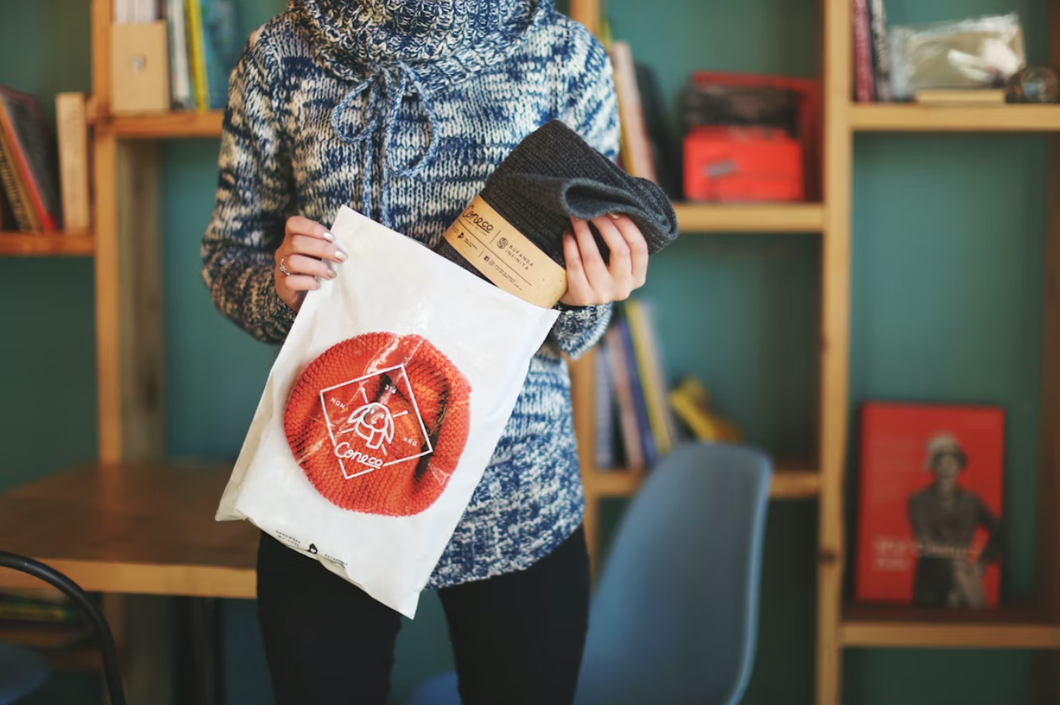
- Textile and industrial packaging. Garment bags, postal and courier bags, and film for frozen foods — wherever the image needs to withstand friction and temperature fluctuations.
The reason for such a wide range of applications is simple: flexographic printing is the only method that works equally well on coarse cardboard, elastic polyethylene and rigid polypropylene.

The benefits of flexographic printing for businesses
Why do manufacturers choose this method, despite the initial cost of producing the printing plates? The answer lies in three factors:
- Cost savings on large print runs. The larger the order volume, the cheaper the cost per print. Once the plates have been produced, they can be reused multiple times (a single plate can produce up to a million prints).
- Production speed. Modern wide-web presses allow kilometres of film to be printed in a matter of hours. This can be crucial for seasonal or trend-driven products, or when launching new promotional campaigns.
- Environmental friendliness and safety. The use of water-based inks makes the packaging safe for people and the environment, enabling brands to pass strict certification for contact with food and children’s products.
- Versatility of post-printing processing. Lamination, varnishing or die-cutting modules can be integrated into the same line as the printing sections. The result is a fully finished product, which shortens the production cycle.
All these advantages make flexography the cornerstone of modern packaging logistics, allowing brands to stand out and production to be efficient.
Conclusion
Flexographic printing is a technology that has blurred the lines between industrial labelling and the art of design. Today, when ordering branded polypropylene bags or roll packaging, businesses receive not just packaging, but a powerful marketing tool. This allows them to create a product that not only protects the contents but also makes it stand out on the shelf amongst thousands of competitors.